Making a Living in the Colonies "Guided Reading"
Guided reading can be 1 of the most powerful components of your literacy block. It tin likewise be ane of the near difficult instructional routines to implement.
Get-go of all, at that place's the question of what guided reading should include: What are the components of an effective guided reading lesson? What skills should I teach during guided reading? Exercise I demand to comprise discussion study? How most writing?
Then in that location's the fourth dimension crisis – how practise nosotros fit in everything we want to teach in such a brusk amount of time? Which parts of the lesson are most of import?
This is the first post in a series that volition attempt to reply all of these questions. Guided reading is something that has intensely challenged (and continues to challenge) me as a instructor!
Practice doesn't make "perfect," just it sure does make "better!" Throughout my years of education, I've learned more and more than about how to effectively implement guided reading, and I've also washed a skilful fleck of reading on the topic. My promise is that, through this series, I volition inspire you to tweak, rethink, or refocus your own guided reading education.
To boot off the series, today'due south mail service volition give a general overview of different lesson structures for guided reading.
Each of the following posts will focus on the key parts of a guided reading lesson (volume introduction, reading the book, postal service-reading conversation, and follow-up activities). The final post will address something that I personally find very challenging – finding the fourth dimension to fit it all in and manage instructional fourth dimension effectively.
What this series won't embrace is what the "other students" are doing during guided reading time (aka contained work, literacy piece of work stations, or centers). That's a whole other ball of wax for some other time! Withal, I practice have a couple of posts about this topic, which yous tin can detect hither:
- Literacy centers that work
- How can I teach guided reading if the other students won't work quietly and independently?
But dorsum to today'due south topic – the essential components of a guided reading lesson. In this post, I'll describe what I consider to exist the most important parts of a guided reading lesson. I'll discuss how and why these components may vary, likewise as provide multiple types of (free) guided reading lesson programme templates.
The information in today's postal service is geared toward Kindergarten, first, and 2nd course classrooms. I'll discuss how guided reading lessons vary between these course levels, but I'll get more into depth about these variations later on in this series.
Okay. Allow's dive in!
Photo credit: Jacek Chabraszewski, Shutterstock
A Typical Guided Reading Lesson
I'm non sure there'due south really a typical guided reading lesson format, but…here'south what I include in each lesson (this is based upon the courses I've taken and reading I've done):
- Rereading familiar texts
- Book introduction
- Reading of a new text
- Mail-reading word
- Follow-upward activities
This lesson format may vary a bit if you take pre-emergent readers (who cannot yet read a level A or pre-A book). You may desire to comprise more than work with phonemic sensation, letters, and print concepts than is included in the format above.
Also, some teachers (like Jan Richardson) use a 2-day lesson plan format, where some components are included on the outset day and other components on the second day. I'll talk more than most that afterwards on in this post.
Before I share more most each component, practise y'all take my gratuitous guided reading toolkit? Information technology has materials to help you implement all of these lesson parts! If yous don't have it yet, download it for free Hither!
Rereading Familiar Texts
I think that having students reread familiar texts (that they've already read during guided reading) is a fantastic way to start each lesson. This practice helps students develop fluency and grow their sight discussion vocabularies.
Moreover, setting aside time for rereading at the offset of the guided reading lesson serves an of import logistical purpose.
Sometimes I need a minute to help the other students go settled in their centers or workstations. If my guided reading group knows that they immediately sit down and begin pulling familiar texts from a book bin, this occupies them while I'm decorated. It besides prevents me from wasting valuable instructional time (I don't desire students to sit there and do nothing while they await for me to handle something else in the classroom).
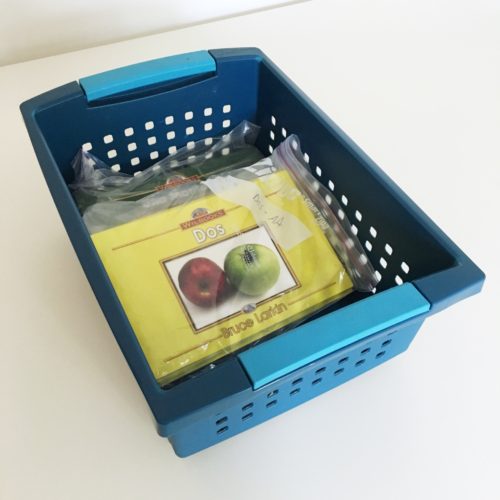
Another bully reason to showtime your lesson off with rereading is because it gives y'all a valuable opportunity to accept a running record. During those first few minutes when students are rereading, I grab the text from the previous solar day's lesson and have 1 child read it aloud to me. (I don't do this during the new read because I need to be available to help coach students.)
If I'm working with "older" primary students (late start grade or early on second grade), we don't necessarily demand to go far through the whole book for the running record. As long as they've read a couple of pages to me, I can summate their accuracy and get a adept sense of how they are using trouble-solving strategies.
As long equally I have time, I also like to have the "running record" educatee quickly give me a retelling of what they but read. I can quickly charge per unit their retelling on a calibration of 1-3 and track their progress over time.
I find running records to exist so helpful in tracking my students' progress and figuring out what to teach them next. You can read more near how to administer a running tape (and get free forms) by clicking Here.
Book Introduction
Later on I finish the running tape, I have students put the books back. I and then introduce the new book for the day (if I'm working with older chief students, nosotros may just be reading the 2d half of a book that nosotros started during the previous lesson).
Next Saturday'south post will address the volume introduction in much greater depth. However, here are some of import points well-nigh the book introduction:
- It'southward a chat that involves children in actively previewing the text and activating any background knowledge that they may take most the topic.
- It "fills in the gaps," enabling students to read the new text without getting stuck in too many unlike places.
- It introduces important language structures and words that students may need in order to be successful with the text.
- It covers fundamentalconcepts in the text without showing every page or giving away the catastrophe.
- It may include a brief tip almost using a reading strategy, but it does not include in-depth strategy education (that comes subsequently).
- It gets students interested in and excited about reading the book, and it provides them with a purpose for reading.
Reading of a New Text
Later the book introduction, we read! And when I say reading, I practice not mean round robin, popcorn, or choral reading. I mean that students are reading all of the words independently, at their own pace.
Having students take turns reading or always having them read the text together does not requite students plenty opportunities for independent practice.Students can very easily mumble along with the group, without trying out a unmarried strategy or problem-solving whatsoever tricky words.
Guided reading is all about exercise, and then have students whisper read (or silently read – in tardily first course and second class) all of the words on their ain.
That said, some students in Kindergarten or early get-go course may need more support than the book introduction in order to be successful with the text. You may demand to read the volume aloud to students first, or practice an echo read or choral read. Then, accept students read the book for the 2d fourth dimension – just this time, they should practise so independently. For more detailed information about how to provide support to pre-emergent readers during guided reading, please read this post .
Anyhow, while students are reading the text, your role is to listen and jitney them when necessary. I attempt to mind to each child read at some point. I teach them that when I tap the table in forepart of them, I want them to raise their vocalism and so that they're reading merely loud enough for me to listen.
Want some strategy visuals like these to provide students with support as they read? Grab some Gratis ones hither!
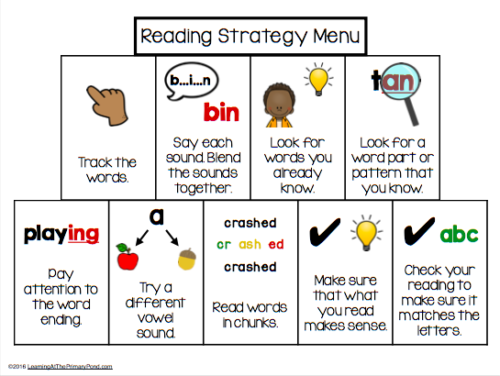
In a future postal service in this series, I'll share more about how to effectively coach students as they read the new text.
Post-Reading Give-and-take
Immediately after students cease the volume (take them reread if they finish early on), yous'll want to appoint them in a conversation nearly the content of the text. My personal preference is to accost address comprehension get-go. This drives home the indicate that reading is all about making meaning.
Most readers in grades Thou-two will demand lots of practice with retelling the text (using the pictures and text itself). It's also helpful to prepare a higher-order thinking question to follow the retelling.
After we talk almost the content of the text, I accept a couple of minutes to teach a reading strategy (i.e. "Listen to your reading to make sure that it makes sense" or "Use the get-go and last letter of a word to figure out what information technology says").
Sometimes I know, going into the lesson, what strategy I want to teach. It might be something that the group has recently started working on, or a strategy that I've noticed none of the students are using.
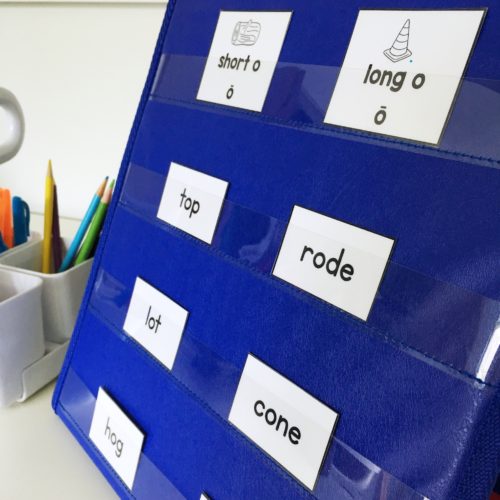
If I know exactly what strategy I want to teach, I might ready a visual like this 1 (tabletop anchor chart stand up can be purchased HERE):
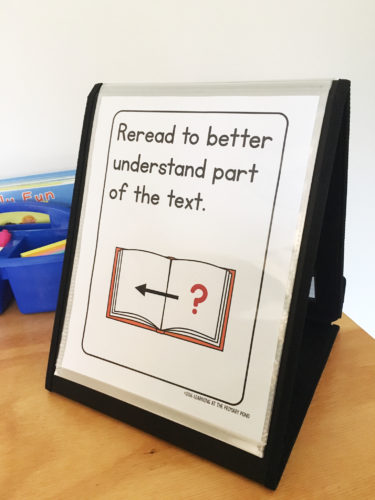
However, sometimes I don't know what strategy I'm going to teach. While students are reading, I tin expect for a need – a strategy that a child or several children are not using, just that would serve them well. Or, I can look for a strategy that 1 child is using that the other children are non.
When I teach the strategy, I do some modeling that uses a part or parts of the solar day'southward text to show students how I'd apply a strategy. If one student used the strategy, I indicate that out to the group and talk about what he/she did. If possible, I try to find some opportunity for students to endeavor out the strategy on their ain.
Follow-Up Activities
I'1000 going to exist completely honest and say that, in the past, I've struggled to make time for follow-up activities at the end of my lessons. Nevertheless, guided reading can be a bang-up time to do some quick word work or writing.
The activities that you lot choose to utilize at the end of a lesson will depend entirely upon two things:
- Your students' needs
- The overall construction of your literacy block
If the students in one group demand a lot of piece of work with phonics, you will want to include this blazon of work at the stop of each lesson. On the other hand, if students have a strong mastery of word patterns, this may not be necessary.
Additionally, the overall structure of your literacy block matters in terms of what follow-up activities you lot choose. If you have a daily xx infinitesimal discussion work block during which you differentiate your instruction and come across students in minor groups, you may non need to include much discussion work in your guided reading lessons. Similarly, if you are able to find fourth dimension to see pocket-size groups during your writing block, yous may not need to take students do a ton of writing during guided reading. It actually simply depends upon your unique situation.
What Matters Most?
This might sound similar a lot of "stuff" to fit in a guided reading lesson. And it really tin be!
Then what'due south almost important? What should we make sure that nosotros include in every lesson, no thing what?
My answer is this: reading and discussing a text.
Guided reading is all nigh getting kids really reading. Information technology'due south practise for independent reading!
And because guided reading is taught in a small group setting (rather than whole group), you can more easily give each student the support she needs as she progresses along her journey to become a skilled independent reader.
Reading = the most of import function. 🙂
Variations
There are many different ways to structure your guided reading lessons, and there'southward certainly no ane "correct" format.
I vary the template I employ depending upon students' reading levels, the length of the book we are reading, the amount of fourth dimension I have for each lesson, and how often I can see each grouping.
When I piece of work with Kindergarten and early kickoff grade readers, I more often than not try to get through one book per lesson. I don't want to rush through the texts, just I know that kickoff readers demand to go through a lot of different books in club to be successful. If I but see each group a couple of times per week (with the exception of my everyman group, who I effort to see daily or almost daily), stretching a book out over multiple days limits their experiences with new texts.
Withal, sometimes I've had the opportunity to see each grouping nearly iv times per week. Typically this merely happens I take back up, like another teacher or reading specialist who is also pedagogy groups. Just in this case, I tin use a volume over two days, with a decoding focus on the first solar day and a comprehension focus when we reread the book on the second day.
If I'one thousand working with belatedly first course or second grade readers, a 2-office lesson plan can be more appropriate. I can have them read the book in its entirety during the showtime lesson, with a focus on decoding. On the 2nd day, we reread the volume, focus on comprehension, and do some writing. Again, you should ever consider the needs of your students and frequency with which you can see each guided reading group before selecting this type of lesson.
If texts are rather long (level 50 or higher), I break them up over two lessons (very rarely practise I stretch out a text whatsoever longer than 2 lessons). Nosotros read the first function of the book during the first twenty-four hour period. On the 2nd day, we reread the entire first function, or just a department of information technology, with a focus on fluency. Last, we read and discuss the residuum of the text.
To brand all of this more concrete, I've created some lesson program templates for you to use. You can choose to edit them and type direct into them, or you can print them out and make full them in.
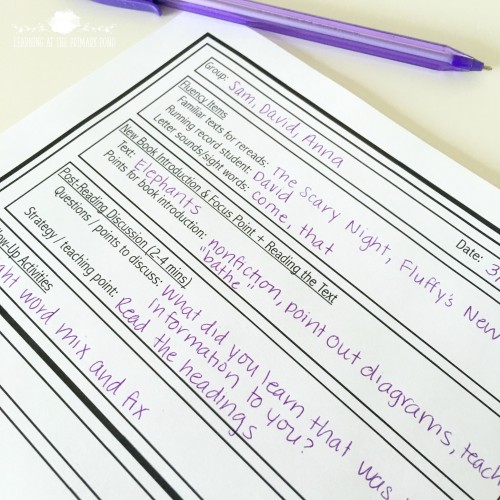
Click on the image below to sign up to have them sent to you! You will as well get some additional guided reading materials that I'll reference in later posts.

(Note: even if you're already subscribed to my listing, delight sign up at the image above. It won't subscribe you twice – information technology'll only automatically send y'all these new materials. 🙂 )
I hope that today's post was helpful in providing a full general overview of the components of a guided reading lesson! If you're looking for resource and activities to help you become organized and engage students during guided reading, please click on whatever of the images below. For other package options or individual levels, click HERE.
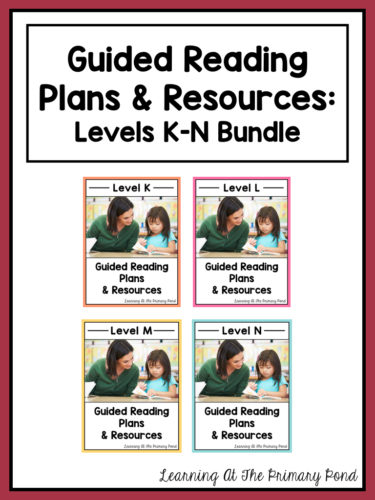
In the side by side five posts, I'll go more in-depth into each part of the guided reading lesson, giving you examples and suggestions for modifications and differentiation. Check dorsum next Sat and Sunday for the adjacent two posts in the series!
Update: The posts in this series are now complete! Cheque them out here:
How to Craft Strong Book Introductions for Guided Reading
How to Effectively Coach Students During Guided Reading
What To Hash out Afterward Students Finish A Book During Guided Reading
x Mail service-Reading Activities for K-2 Guided Reading Lessons
Overcoming The Guided Reading Fourth dimension Crisis
Resources
Fountas, I. C., & Pinnell, G. Southward. (1996). Guided reading: Skilful commencement instruction for all children. Heinemann, 361 Hanover Street, Portsmouth, NH.
Richardson, J. (2009). The adjacent step in guided reading: Focused assessments and targeted lessons for helping every student go a improve reader. Scholastic Incorporated.
*The authors of this text are in no way affiliated with this blog – I am referencing their work as a ways of explaining and supporting the ideas I set forth in this post.*
Source: https://learningattheprimarypond.com/blog/what-are-the-components-of-a-guided-reading-lesson-in-a-kindergarten-first-or-second-grade-classroom/
0 Response to "Making a Living in the Colonies "Guided Reading""
Post a Comment